KASESE — UGANDA: Researchers studying a pastoral community on the boundary of Queen Elizabeth National Park in southwestern Uganda have found that the park functions as a critical source of food, medicine and climate protection for the Basongora people.This crucial finding is part of the results, researchers made public on World Biodiversity Day early this week.
The findings contradict long long-held views and the dominant portrayal of such communities as threats to conservation rather than beneficiaries of it.The preliminary study, conducted during this year by a team of researchers from the Uganda Wildlife Research and Training College in Kasese, focused on the Basongora — an indigenous group formally recognised by the Ugandan government whose livelihoods centre almost entirely on cattle.
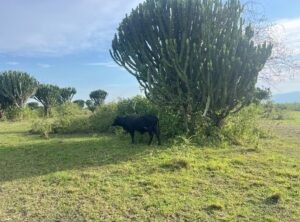
The community lives adjacent to Queen Elizabeth National Park, a protected area of approximately 1,978 square kilometres in the Albertine Rift that is home to lions, elephants, chimpanzees, hippopotamuses, and hundreds of plant and bird species.
The research has not yet been peer reviewed but the team chose to publish their preliminary findings with Research Finds News, to mark the World Biodiversity Day which arrived on May 22, 2026.
The researchers were: Aggrey Siya, Augustine Kazia, Prospere Baluku, Hindrah Akisimiire, Robert Baluku, Eric Morris Enyel, Emmanuel Akampurira and Joel Ongom.
The researchers argue their evidence speaks directly to the policy questions the day raided globally.The central finding is that the Basongora community draws multiple and measurable ecosystem services from the park’s biodiversity.
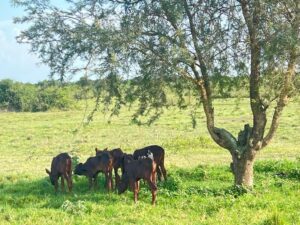
“Community members described the park’s intact vegetation as regulating the temperature and moisture of the surrounding landscape in ways that sustain cattle-keeping,” reveals team leader Aggrey Siya.
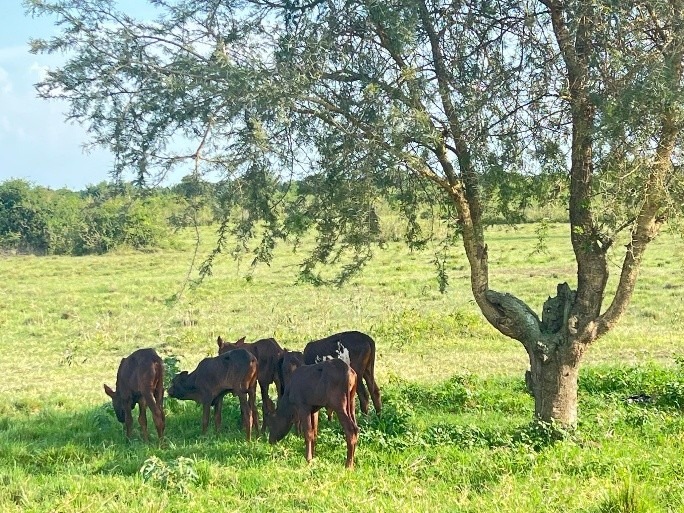
He adds that the trees at the park boundary and in the community landscape provide shade that reduces heat stress in livestock, with practical consequences for milk output and animal health.
The findings further reveal that dduring drought, when surrounding grazing land fails, herders move their cattle into the park to access forage.
He says this practice puts them in direct conflict with park management but which the researchers describe as a documented coping strategy built on the community’s knowledge that the park can provide what the surrounding landscape cannot.
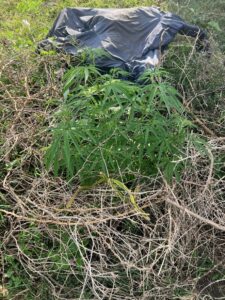
Medicinal plants sourced from the park and the broader landscape were also found to play a significant role in the community’s management of both human and livestock health. The researchers identified Wild Marigold — Tagetes minuta — as a species of particular practical importance.
“Community members reported using it to treat and prevent coccidiosis, a parasitic disease affecting poultry,” he says adding that several households were found to have transplanted the plant from the wild into their homestead gardens, cultivating it as a readily available veterinary remedy.
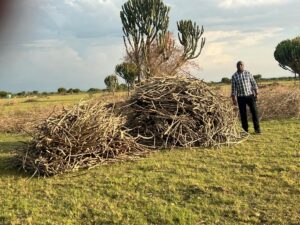
The study further found that other plant materials were used as fuelwood and for a range of other household and livelihood purposes.
Lead researcher Siya Aggrey of Uganda Wildlife Research and Training College said the findings complicated the prevailing narrative about communities living near protected areas.
“The Basongora have been involved in wildlife-related conflicts, including retaliatory killings of lions following livestock losses, and their periodic use of park resources has been a source of tension with the Uganda Wildlife Authority,” he reveals, adding that the research shows the community also attributes significant value to the park — value that is functional, daily, and not captured in any formal arrangement between the community and the park’s managers.
The study connects its findings to Uganda’s national economic strategy. The government’s tenfold growth target includes plans to develop what officials have described as a biodiversity economy, drawing on both tourism and the country’s natural pharmaceutical wealth.
The researchers argue that communities like the Basongora, who possess detailed knowledge of medicinal plant species and their properties, are among the most knowledgeable custodians of that resource base, and that policy should be designed to recognise and sustain that relationship rather than treating it as a problem of access and enforcement.
Background
Uganda hosts a network of protected areas that are among the most biodiverse in Africa. Academic research published in recent years has documented the significance of medicinal plant species found within or adjacent to those areas, and the extent to which surrounding communities rely on them for health and livelihood purposes. The Kasese study adds community-level evidence from the Basongora context to that existing body of work.
Impact
The researchers say the full study will go through peer review before formal publication and that further research is ongoing. They acknowledge the limitations of preliminary findings and do not claim their results are generalisable beyond the specific community and landscape studied.
NOTE: The findings are published today on the ResearchFinds News platform at the request of the research team, who approached the publication to share their work in the public interest ahead of formal academic publication.
About The Author