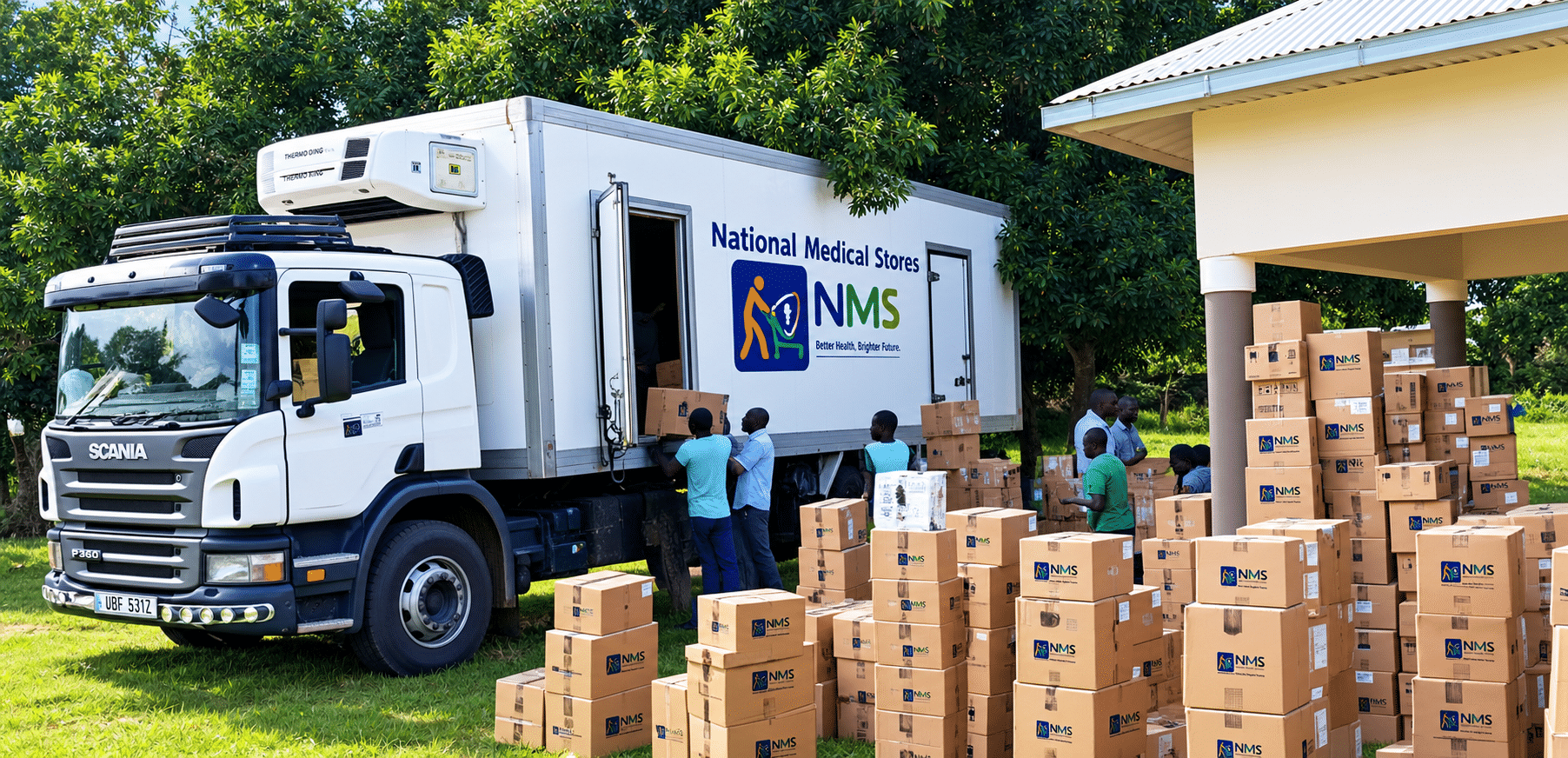
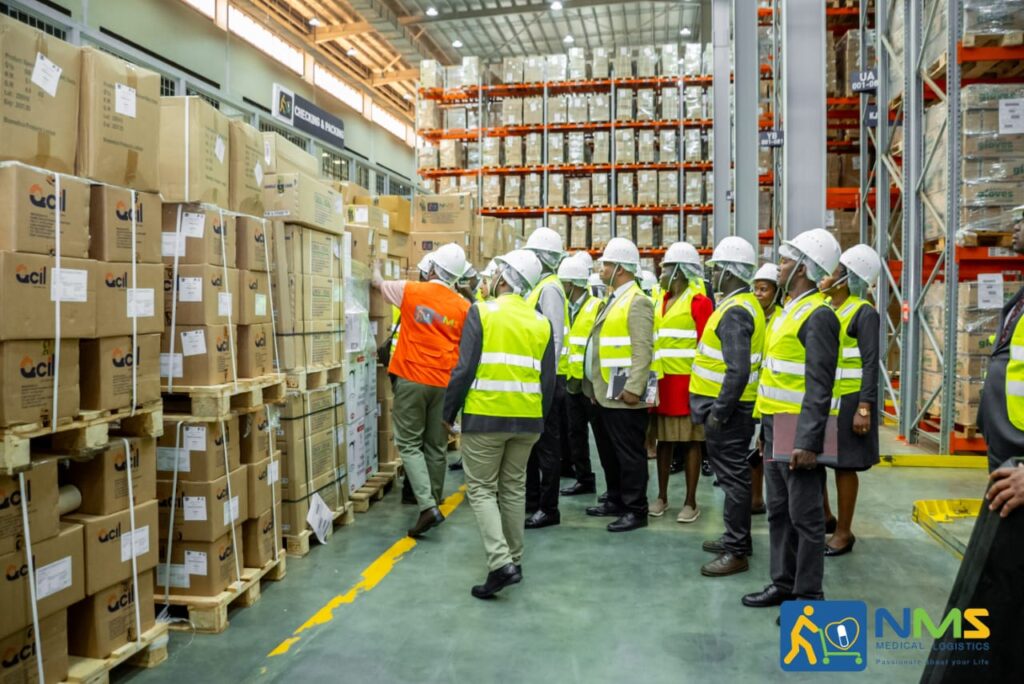
Kampala, Uganda – Scientists in Uganda have concluded that the country’s vaccines are getting stuck on the final stretch, not in the National Medical stores in Kajjansi, in Wakiso District.
In a qualitative study, the scientists have concluded that the road from the district store to the health facility, the distance between the facility and the village, and the doubts of parents who are yet to be convinced, a major point of concern in the vaccines/drugs distribution architecture across the country.

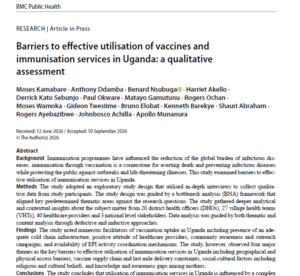
Their conclusions are contained in a study titled “Barriers to effective utilisation of vaccines and immunisation services in Uganda: a qualitative assessment”, published in the journal BMC Public Health on 15 September 2026. It can be found here.
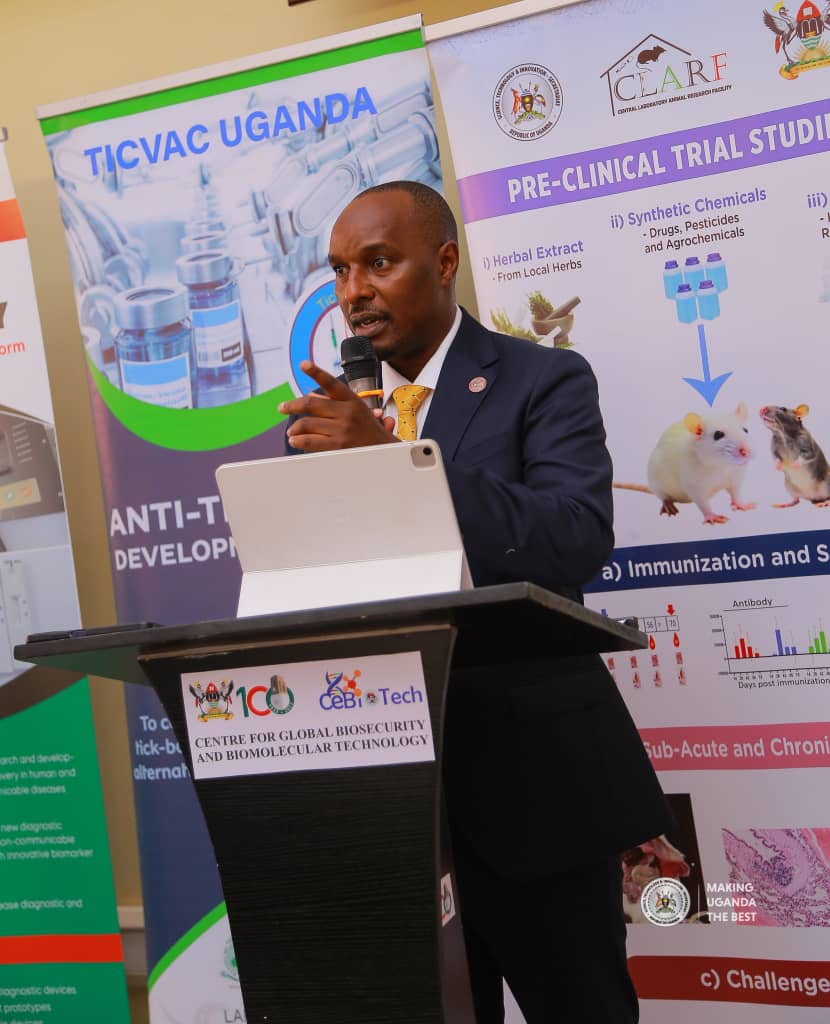
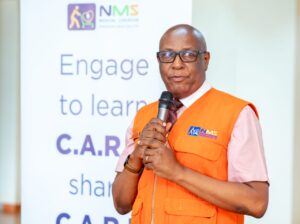
The scientists were led by Moses Kamabare, who heads National Medical Stores (NMS) and is the study’s listed first author. The others are Anthony Ddamba, Benard Nsubuga, Harriet Akello, Derrick Kato Sebunjo, Paul Okware, Matayo Gamutunu, Rogers Ochan, Moses Wamoka, Gideon Twesiime, Bruno Elobat, Kenneth Barekye, Shauri Abraham, Rogers Ayebazibwe, Johnbosco Achilla and Apollo Munanura.


To find out where the system breaks down, the team spoke to the people who run it. They interviewed 20 district health officers, 40 healthcare providers, 27 Village Health Team (VHT) members and three national-level stakeholders, drawn from all 10 of Uganda’s vaccine-delivery regions.
Uganda Has Built the Hard Parts
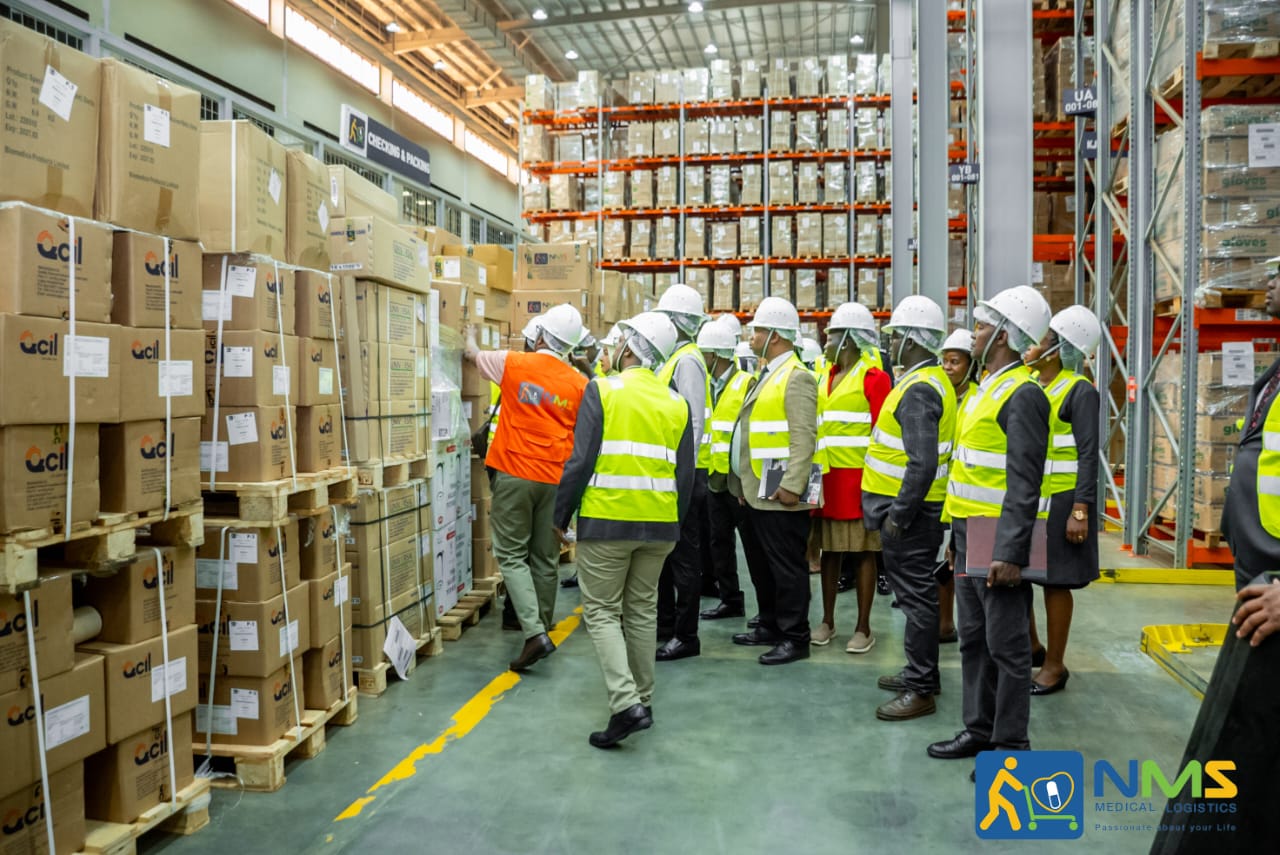
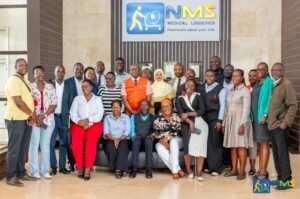
Much of what they heard was encouraging. Uganda has adequate cold-chain infrastructure, with solar-powered refrigerators and vaccine carriers working in the districts assessed, a fact that NMS officials unveiled to a team of visiting government communicators under their umbrella group – Government Communicators Forum (GCOF), recently.
They were taken around the new NMS facility in Kajjansi, in Wakiso District last month on a fact finding tour.
“From health workers, the systems were described as positive, outreach campaigns as active and coordination mechanisms as functional. Vaccine supply is largely regular, although intermittent shortages of BCG, hepatitis B, yellow fever and HPV vaccines were reported,” reads the study findings.
The Journey from Store to Child
According to the findings of the study, the trouble starts after vaccines leave the district store. They reach health facilities in several different ways.
Of the 40 facilities in the study, 22 relied entirely on district vaccine stores to deliver, while 13 mixed district delivery with collecting vaccines themselves, sometimes by motorcycle, public transport or boda boda.
“NMS has begun delivering directly to some facilities,” revealed Mr. Kamabare during the GCOF tour last month.
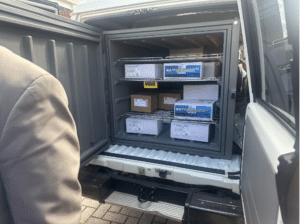

The researchers describe the arrangement as fragmented and say it makes distribution less predictable and weakens accountability.
“When a mother arrives and the vaccine her child needs is missing, she may not come back,” the researchers observe.
Then there is the distance mothers must cover. Seven of the Health Centre IIIs assessed each served more than 41 villages.
For families in remote areas, a routine vaccination can mean a long walk or a transport fare some cannot afford.
All 40 facilities run community outreaches, which VHTs say help, but the researchers caution that outreach cannot replace reliable services at health facilities.
When Parents Say No
Access is only part of the picture. Three-quarters of district health officers, 70% of immunisation focal persons and 85% of VHTs said vaccine refusal was common in their communities.
They linked it to fear of side effects, cultural and religious beliefs, and misinformation.
The most striking finding came from the villages. Seventeen of the 27 VHTs said children who have never received a single vaccine, known as zero-dose children, live in their communities.
“These children were associated with home deliveries, traditional birth attendants, long distances, transport costs and teenage motherhood,” reveals the study.
The finding further shows that some mothers who give birth outside health facilities reportedly stay away for fear of being rebuked by health workers.
What the Researchers Want Changed
The study’s main recommendation is to bring order to the last mile. The Ministry of Health and NMS, the researchers say, should speed up a single, unified delivery model from district vaccine stores to health facilities in every district.
“It would need clear roles, sustainable funding and a logistics system that tracks deliveries and issues real-time alerts,” the researchers suggest.

They also call for stronger national forecasting, better inventory management and real-time stock monitoring.
On hesitancy, they argue that mass sensitisation campaigns have not closed the knowledge gaps.
Instead, they want targeted, local communication, especially for teenage mothers, and continuous engagement with religious and cultural leaders.
“The message for policymakers is that a vaccine sitting safely in the supply chain is not yet a vaccinated child,” observed the scientists.
Editor’s Note: The study was approved by the Makerere University School of Health Sciences Research and Ethics Committee and the Uganda National Council for Science and Technology.
It covered public health facilities only and did not interview mothers or caregivers, so its findings reflect the reported experiences of health-system and community actors and are not a nationally representative measurement.
The full paper is available at DOI: 10.1186/s12889-026-29480-w.
About The Author