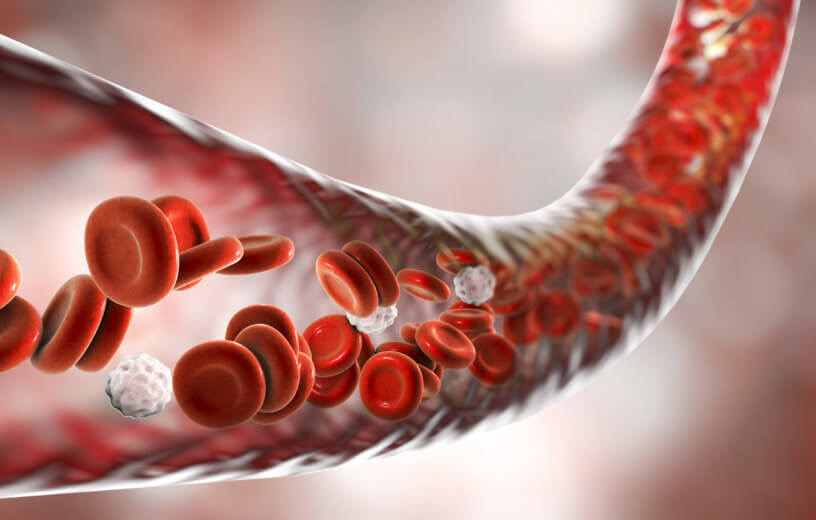
KAMPALA: Two separate studies by Ugandan and Dutch scientists have discovered plastics are not only hazardous, some particles are present in the human bloodstream.
While the Ugandan study found plastic usage in domestic food consumption is hazardous, the Dutch one took it a notch higher and discovered placi material in the human bloodstream for the first time ever.
Their results reveal that these microscopic particles coming from the environment around us are being absorbed by the body and are entering the blood supply, reports studyfinds.org. The Study authors at Vrije Universiteit Amsterdam examined 22 individuals who anonymously donated their blood for testing.
 At the same time, a study by Ugandan scientists based at Mbarara University of Science and Technology as well as Moi University in Kenya has also concluded plastic utensils used in homes have potential for hazardous material to our bodies and warn the Uganda National Bureau of Standards to intensify its plastic regulatory regime.
In a 2022 study titled “Leaching of Lead, Chromium and Copper into Drinks Placed in Plastic Cups at Different Conditions,” published in an online journal- American Journal of Analytical Chemistry, the researchers; Oliver Ahimbisibwe, Denis Byamugisha, Paul Mukasa1, Timothy Omara and Emmanuel Ntambi, conclude that while Uganda consumes up to 600 metric tons of plastics per day, the high concentration of chemical compounds known as Pb, Cr and Cu in the plastic cups are above the European regulatory directive adopted by many countries on hazardous metals in plastics made but intended to come into contact with foodstuffs.
 In all, twenty-four plastic cups (12 blue and 12 green) of volume 0.5 L, made from recycled plastics which may hold both cold and hot drinks were purchased and selected randomly from the available batches at the premises of two companies (names withheld) in Kampala, Uganda in in the month of November, 2018.
 For comparison during analysis, the researchers write, twelve control cups (six luminarc white and six glazed all-white porcelain) of volume 0.3 L, made in Saudi Arabia and China respectively were purchased from a supermarket in Mbarara city, Uganda. All the cups purchased were transported to the Mbarara University of Science and Technology (MUST) analytical laboratory, thoroughly rinsed three times with deionized water to remove any metal contamination stems produced during their manufacturing and air dried.
 “This calls for quality control institutions like Uganda National Bureau of Standards and policy makers in Uganda to formulate heavy metal regulatory policies and ensure that industries implement quality control measures at the production stage before products like cups are brought to market,” they recommend.
They add that the results in the current study agree with other studies which report high concentrations of metals in plastics made for foodstuff holding such as water bottles, food packaging as evidence that hazardous metal compounds are used in the synthesis of plastics.
For more details on this study, visit: https://www.scirp.org/journal/
About The Author