By ResearchFinds News Team
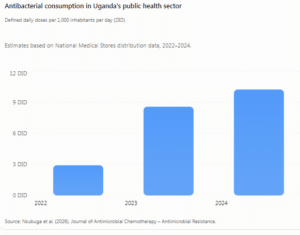
Antibiotic consumption in Uganda’s public health sector more than tripled between 2022 and 2024, raising fresh questions about medicine use, prescribing practices and the country’s efforts to contain antimicrobial resistance.
A study published in the Journal of Antimicrobial Chemotherapy – Antimicrobial Resistance found that antibacterial consumption rose from 2.88 to 10.21 defined daily doses per 1,000 inhabitants per day over the period.
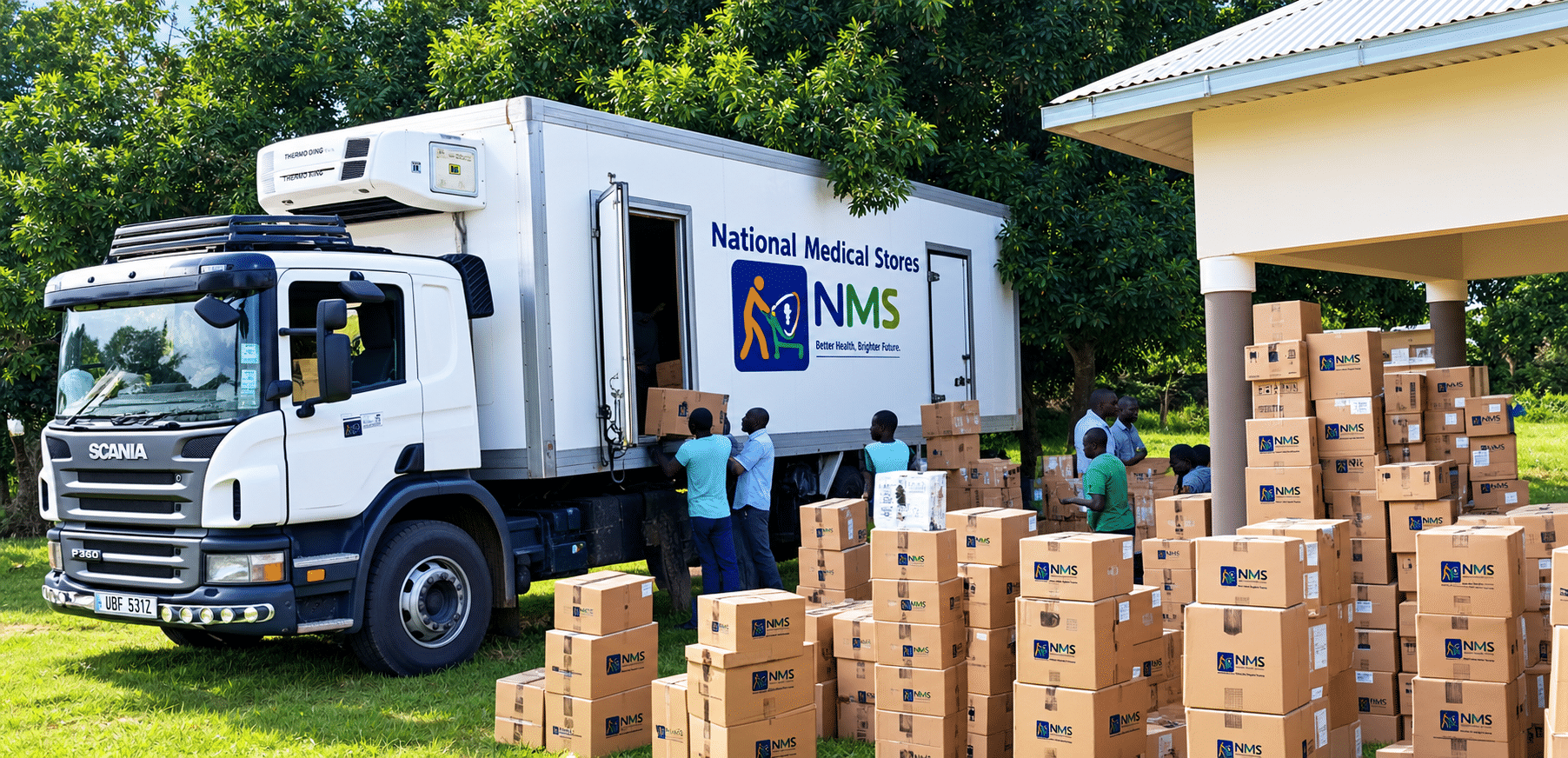
The research, which analysed National Medical Stores (NMS) distribution records, found the sharpest increase occurred between 2022 and 2023, when consumption estimates rose to 8.55, before climbing further to 10.21 in 2024.
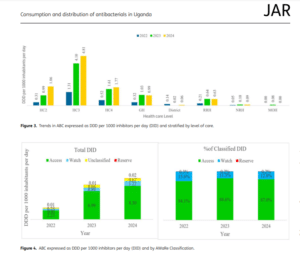
Primary healthcare facilities recorded the highest consumption, with Health Centre IIIs and IVs accounting for the largest volumes across the period.
The findings are significant because increased antibiotic exposure, particularly when medicines are used inappropriately, can accelerate antimicrobial resistance, making bacterial infections increasingly difficult to treat.
Amoxicillin leads antibiotic distribution
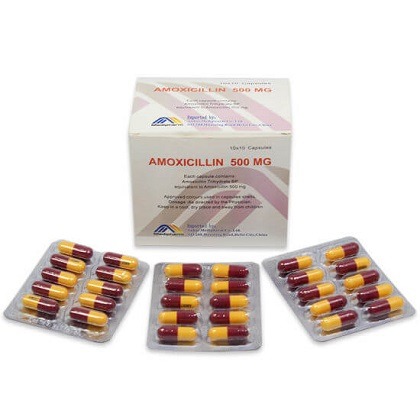
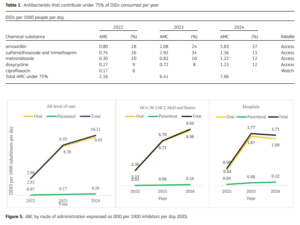
Amoxicillin emerged as the most consumed antibiotic in 2022 and 2024, accounting for 28% and 37% of consumption respectively.In 2023, sulfamethoxazole and trimethoprim, commonly known as cotrimoxazole, led consumption at 34%.
The researchers also identified metronidazole and doxycycline among the consistently highly consumed antibiotics.Much of this consumption was accounted for by medicines in the World Health Organization’s (WHO) Access category, which represented 84.1% in 2022, 88.6% in 2023 and 87% in 2024.
Access antibiotics are generally recommended as first- or second-line treatments for common bacterial infections and have a lower potential to drive resistance compared with medicines in the Watch and Reserve categories.
This is an encouraging finding, although the researchers caution that the actual consumption of Watch and Reserve antibiotics has also been increasing.
Why the increase matters
The study does not establish that the increase was caused by inappropriate prescribing.
Researchers suggest that the sharp rise could partly reflect recovery from disruptions in essential medicine distribution following the COVID-19 pandemic, alongside increased government funding for medicines in 2023 and 2024.
However, they also point to possible weaknesses in antibiotic selection and planning, inadequate diagnostic capacity and limited adherence to treatment guidelines.
Citing previous Ugandan research, the authors note that one study found three in every four antibiotics were inappropriately prescribed in selected health facilities, while another reported 82.6% non-adherence to treatment guidelines.
The researchers warn that inappropriate antibiotic use can place additional pressure on the health system, including through unnecessary medicine procurement and the growing threat of drug-resistant infections.
Call for stronger surveillance
The authors recommend linking national medicine distribution records with facility-level prescribing information and antibiotic resistance patterns.
They also emphasise the importance of institutional antibiograms reports showing which antibiotics are effective against bacterial infections in particular settings to guide treatment decisions.
Such evidence could help health facilities select appropriate antibiotics based on local resistance patterns rather than relying solely on general treatment practices.
The study analysed antibacterial distribution data from government-owned facilities, which receive their supplies through NMS. It did not examine private-sector consumption or establish how much of the distributed medicine was actually administered to patients.
The researchers conclude that Uganda needs stronger antimicrobial stewardship programmes, better procurement planning and improved monitoring to ensure antibiotics remain effective.
As antibiotic resistance threatens the effectiveness of medicines used to treat common infections, the findings underline the importance of ensuring that increased access to antibiotics is matched by responsible use.
The study was conducted by a team of researchers affiliated with Uganda’s National Medical Stores (NMS), Makerere University, the Infectious Diseases Institute and the Ministry of Health. The authors include Benard Nsubuga, Ventrine Marion Chelimo, Aaron Kayemba, Philip Ampaire, Winnie Nambatya, Kalidi Rajab, Vivian Twemanye, Harriet Akello, Anthony Ddamba, Moses Kamabare, David Arinaitwe, Francis Kakooza and Richard Walwema.
Read the original research: Antibacterial consumption in public health facilities in Uganda: A trend analysis of national warehouse distribution data 2022–2024
About The Author